
Farm Fresh Eggs
Straight from our flock to your table
Scroll to explore
↓
Donations are never required — but always appreciated. Every contribution helps with feed, bedding, and keeping our hens healthy and happy.
💚 Donate via VenmoReusing egg cartons helps us reduce waste and keep things sustainable — feel free to pass them back anytime! 🌿
Thank you for supporting local, small-scale farming! 🐔
Farm fresh eggs are different from store-bought. Here's everything you need to know.
Not sure if your egg is still good? This simple two-step test tells you in seconds.

We raise a colorful flock of happy, free-range hens. Our mixed flock gives you a naturally beautiful and colorful carton every time!
Light brown eggs — gentle, fluffy birds
tap egg to learn more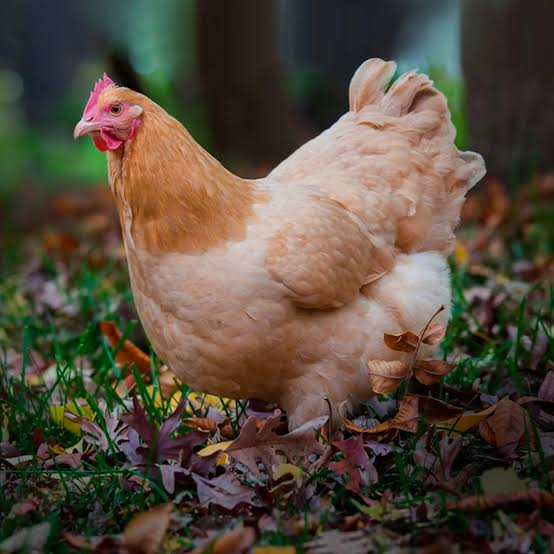
Big, fluffy golden birds from England known for their sweet, docile personalities. Excellent mothers and reliable layers of about 200–280 light brown eggs per year. A backyard favorite!
Cream to light brown eggs
tap egg to learn more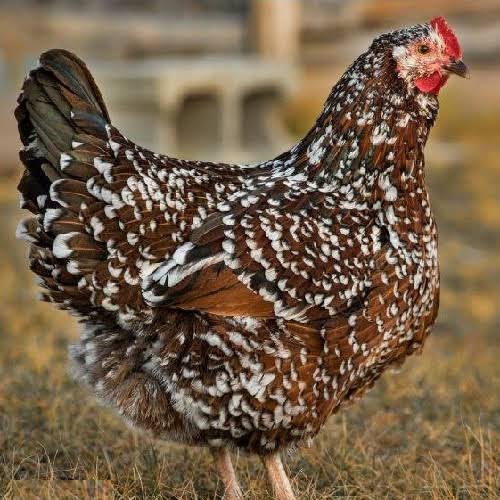
A classic British dual-purpose breed dating back to the 1800s. Friendly and curious, Sussex hens lay 250+ cream to light brown eggs per year. One of the oldest chicken breeds in the world.
Rich brown eggs — classic farm favorite
tap egg to learn more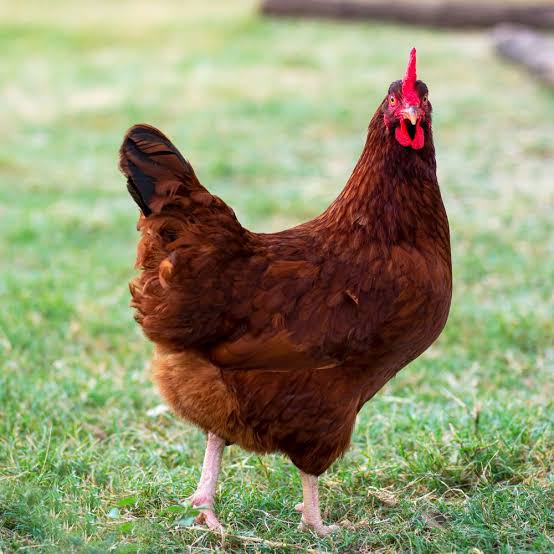
America's most popular backyard breed, developed in Rhode Island in the 1890s. Hardy and dependable, they lay about 250–300 rich brown eggs per year and thrive in almost any climate.
Blue & green eggs — always a surprise
tap egg to learn more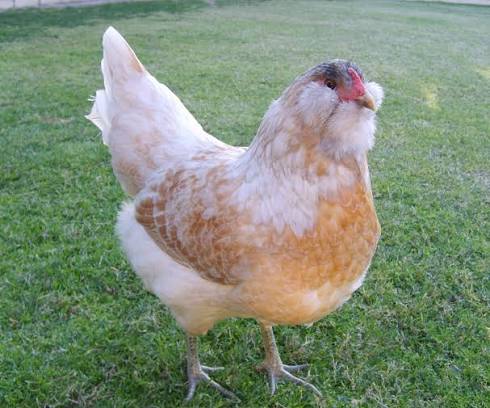
Fun mixed-breed hens that carry the blue-egg gene. Each hen lays a different shade — blue, green, pink, or cream — about 200–280 eggs per year. No two Easter Eggers look quite alike!
Olive green eggs — unique beauties
tap egg to learn more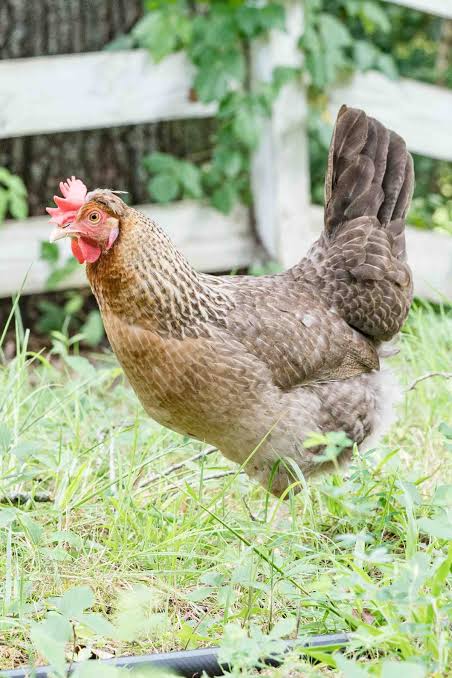
A cross between dark-egg layers (like Marans) and blue-egg layers. They produce beautiful olive-toned eggs in shades from sage to deep army green. Each hen's exact color is unique!
Large brown eggs — prolific layers
tap egg to learn more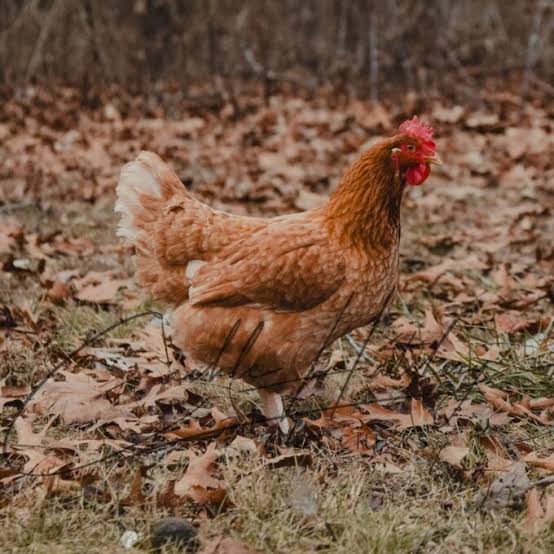
A golden-brown hybrid bred for egg production. They start laying early and produce around 250–300 large brown eggs per year. Sweet, calm, and social — great for families.
Dark chocolate brown eggs
tap egg to learn more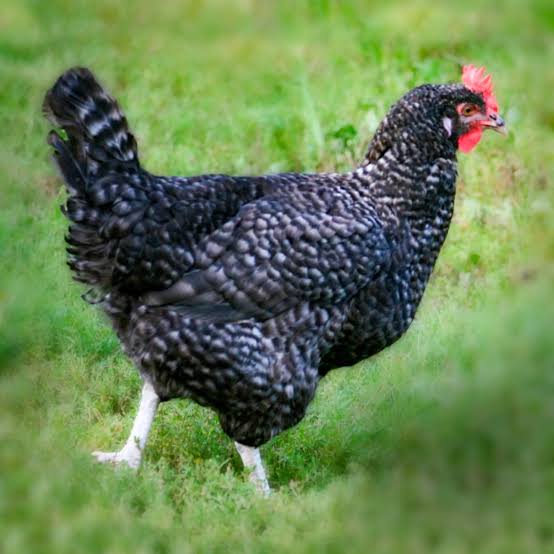
French breed famous for laying the darkest brown eggs of any chicken. Originally from the port town of Marans, France. Quiet, gentle birds that are a joy to keep.
Blue eggs — fluffy-cheeked charmers
tap egg to learn more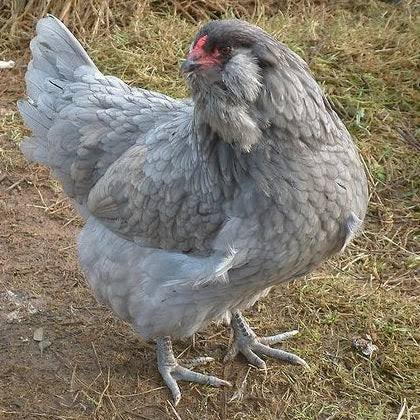
A true blue-egg breed with distinctive fluffy cheek muffs and a gentle personality. Americanas lay about 200–250 beautiful blue eggs per year. Hardy in cold weather and a wonderful addition to any flock.
Classic white eggs — energetic foragers
tap egg to learn more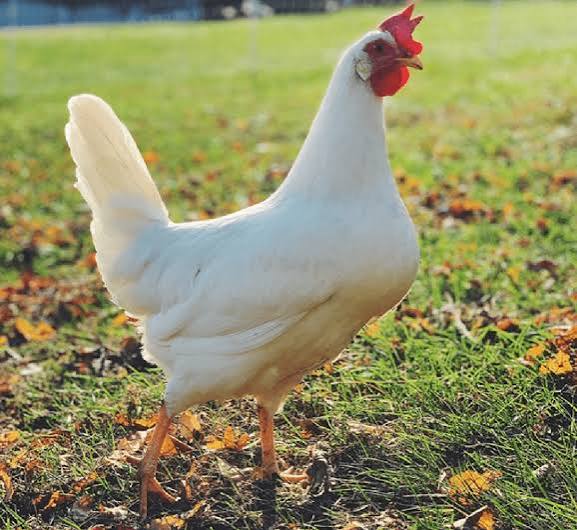
Energetic Italian breed and the world's top white-egg producer. Athletic and independent, they lay about 280–320 eggs per year. Known for their big floppy combs and lively personalities.
A few things about farm fresh eggs that might surprise you.
Farm fresh eggs naturally vary in size, shape, and color. It's a sign of a healthy, diverse flock — not a defect.
Double yolks are common with young hens just starting to lay. They're perfectly safe and a fun surprise in the pan.
Brown, white, blue, green — shell color depends on the breed, not what the hen eats. All are equally nutritious.
Super fresh eggs are harder to peel when hard-boiled. If you're boiling, let them age about a week first.
Bring refrigerated eggs to room temperature before baking. They mix better and give you lighter, fluffier results.
Occasional blood spots are natural and completely safe. They happen when a tiny vessel breaks during egg formation.